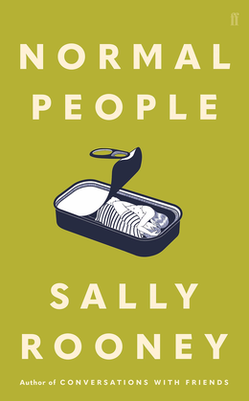
Beyond Romance: Class, Privilege, and Emotion in Normal People Libro
Sally Rooney’s Normal People Libro transcends the typical love story, offering readers a poignant and often uncomfortable exploration of class, privilege, and the intricate dance of human emotion. While many are drawn to the magnetic, on-again, off-again romance between Connell Waldron and Marianne Sheridan, the novel's true power lies in its incisive commentary on the societal structures that shape their lives and the profound, sometimes destructive, impact they have on each other. It’s a story that challenges our perceptions of status, belonging, and the often-unspoken rules that govern our deepest connections.
The Invisible Divide: Class and Social Dynamics in Sligo
From the outset, the Normal People Libro establishes a stark class divide between its protagonists. Connell Waldron is a popular, athletic student from a working-class background in rural Sligo, his mother working as a cleaner for Marianne's wealthy family. Marianne Sheridan, on the other hand, comes from an affluent, albeit deeply dysfunctional, household. Despite her family's wealth, she is an outcast at school – intelligent, fiercely private, and socially awkward, often the target of bullying. Their initial connection forms in secret, a hushed intimacy that develops when Connell comes to pick his mother up from Marianne’s house. This clandestine beginning immediately highlights the social pressures at play; Connell, eager to maintain his popular image, pretends not to know Marianne at school, a painful rejection that deeply wounds her.
Rooney masterfully illustrates how the subtle nuances of class permeate their interactions. Connell's concern for his social standing, his inability to openly associate with Marianne, is a direct consequence of his background. He understands the unwritten rules of his small town and the importance of fitting in. Marianne, insulated by her family's money but starved of genuine affection, initially views social conventions with a detached disdain, yet yearns for acceptance. This initial dynamic sets the stage for a relationship constantly influenced by external perceptions and internal struggles over self-worth, a struggle intensified by their differing social capital.
A Shifting Landscape: Privilege and Power at Trinity
The transition to Trinity College Dublin marks a significant reversal in their social fortunes. In a cosmopolitan university setting, Marianne, with her intellectual prowess and sophisticated, albeit unconventional, demeanor, flourishes. Her previously perceived oddities are now celebrated as individuality, and her wealth grants her access to a new social circle and a comfortable lifestyle. She finds her feet, becoming self-assured and popular among her new peers.
Connell, however, finds himself adrift. Stripped of his small-town social currency (his athletic fame), he struggles to connect with the more privileged and culturally sophisticated students. He feels acutely his working-class background, grappling with financial anxieties and a profound sense of not belonging. His shyness, once a minor trait, becomes an isolating force. This shift is a brilliant depiction of how privilege isn't just about money, but also about cultural capital, inherited ease, and a sense of entitlement that can profoundly impact one's college experience. The novel vividly portrays the "cycles of domination, legitimacy and privilege" mentioned in various reviews, revealing how these forces can reshape individual identities and relationships as they navigate new environments. For a deeper look at their journey through Ireland, consider reading Normal People Libro: Exploring Connell & Marianne's Journey Through Ireland, which delves into how these settings influence their growth.
- Financial Strain: Connell often works multiple jobs to make ends meet, a stark contrast to Marianne's financial freedom.
- Social Integration: Marianne seamlessly integrates into Dublin's intellectual scene, while Connell often feels like an outsider.
- Self-Perception: Their new environments directly impact their self-esteem and how they perceive their place in the world.
The Language of Silence: Emotional Vulnerability and Miscommunication
At its heart, the Normal People Libro is a masterclass in depicting the agonizing difficulty of true emotional expression. Both Connell and Marianne, despite their intense connection, struggle profoundly to articulate their feelings, needs, and fears to one another. Their inability to communicate openly often leads to devastating misunderstandings, painful separations, and prolonged periods of emotional torment. This theme resonates deeply with readers, as it mirrors a common human failing.
Marianne's upbringing, marked by emotional neglect and abuse from her family, leaves her with deep-seated insecurities and a tendency towards self-destruction and submissiveness in relationships. Connell, though caring, often internalizes his emotions, fearing vulnerability and judgment. He struggles with depression and anxiety, which he finds difficult to voice, even to Marianne. Their dynamic frequently oscillates between overwhelming tenderness and periods of emotional cruelty or detachment, often stemming from unexpressed desires or misinterpreted intentions.
Insight: Rooney's spare prose and psychological acuity allow readers to feel the weight of their unspoken words. We witness the characters' internal monologues, providing a stark contrast to their often-stilted conversations. This stylistic choice amplifies the emotional impact and highlights the chasm between what they think and what they say.
For individuals, reflecting on Connell and Marianne's communication struggles can offer valuable lessons:
- Embrace Vulnerability: The novel implicitly argues for the importance of daring to be vulnerable, even when it feels terrifying.
- Clarify Assumptions: Many of their conflicts stem from assuming the other's intentions rather than asking directly.
- Recognize Non-Verbal Cues: While their words often fail them, their physical intimacy and unspoken gestures convey a profound bond.
The Enduring Impact: How Lives Intersect and Transform
Despite their tumultuous journey, Connell and Marianne are inextricably linked. The Normal People Libro powerfully illustrates how one person can profoundly change another's life. They act as each other's anchor, confidante, and intellectual equal, pushing each other to grow and understand themselves more deeply.
Marianne helps Connell to embrace his intellectual side, encouraging him to pursue literature and realize his writing talent. She provides him with a safe space to explore his emotions and anxieties without judgment, something he rarely finds elsewhere. Conversely, Connell offers Marianne unconditional love and a sense of worth she never received from her own family. He sees her, truly sees her, and this validation is crucial for her healing and self-acceptance. Their relationship is a complex tapestry of support, challenge, and mutual transformation.
Their repeated magnetic pull towards each other, even when they stray into other relationships, speaks to the unique and indispensable role they play in each other's lives. It’s a testament to the idea that some connections are so fundamental they shape the very essence of who we become. To delve deeper into the intricacies of their bond, explore Normal People Libro: The Complicated Love Story of Connell and Marianne.
Sally Rooney's writing breathes new life into contemporary fiction by focusing on these subtle yet profound interactions. Her ability to craft characters with such brilliant psychological acuity, rendered in perfectly spare prose, makes their struggles and triumphs feel intensely real and universally relatable. The novel doesn't offer easy answers but rather a nuanced portrayal of the messy, beautiful, and often painful process of human connection.
The Normal People Libro is far more than a simple love story; it is a masterwork that deftly dissects the pervasive influence of class and privilege on individual lives and relationships. Through Connell and Marianne, Sally Rooney invites us to ponder the complexities of emotional expression, the power dynamics inherent in love, and the enduring impact one person can have on another. It's a challenging, insightful, and ultimately deeply rewarding read that cements its place as a significant cultural touchstone in contemporary literature.